
 By
By 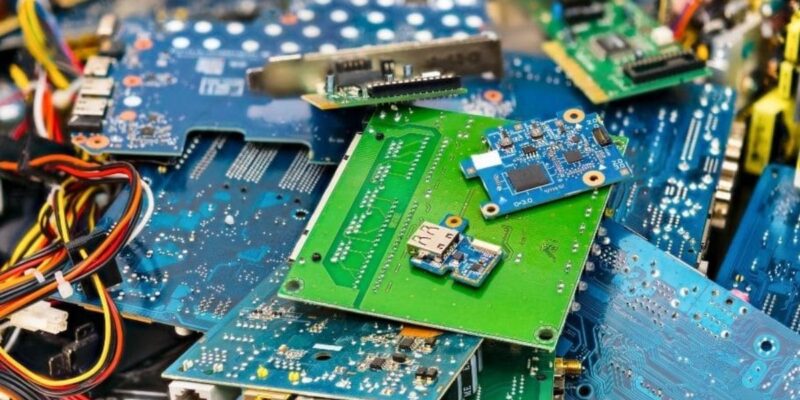
In the corners of our homes and offices, obsolete electronics gather like archaeological layers of technological progress, and understanding Ewaste recycling has become essential for managing this growing challenge. Each discarded smartphone, retired laptop, and replaced circuit board represents not merely waste but a complex assembly of recoverable materials and potential environmental hazards. The question facing modern society is not whether to recycle these devices, but how to do so efficiently and responsibly.
The Hidden Complexity of Electronic Waste
Electronic waste defies simple categorisation. Unlike paper or plastic, which present relatively straightforward recycling challenges, e-waste contains an intricate mixture of materials. A single mobile phone houses dozens of elements from the periodic table: precious metals like gold and silver, base metals such as copper and aluminium, rare earth elements including neodymium and tantalum, and hazardous substances like lead and mercury. This complexity transforms what might seem like a straightforward disposal problem into a sophisticated materials recovery challenge.
The scale compounds the difficulty. Global e-waste generation exceeds 50 million tonnes annually, with projections suggesting continued growth as technology adoption accelerates and product lifecycles shorten. Traditional waste management infrastructure proves inadequate for handling this specialised stream, requiring dedicated processes and technologies that can safely extract value whilst neutralising environmental risks.
Why Conventional Recycling Falls Short
Standard recycling facilities face fundamental limitations when confronting electronic waste. The equipment designed for processing household recyclables cannot effectively dismantle electronics or separate their constituent materials. Manual dismantling, whilst possible, exposes workers to toxic substances without proper safeguards. Informal recycling operations in developing regions demonstrate the dangers: primitive processing methods release harmful chemicals into air, water, and soil, creating public health crises whilst recovering only a fraction of available materials.
The specialised nature of electronics demands equally specialised handling. Circuit boards require precise techniques to recover embedded precious metals. Cathode ray tubes from older monitors contain lead that must be carefully managed. Lithium batteries pose fire and explosion risks if improperly processed. Each component category presents distinct challenges that general recycling infrastructure cannot adequately address.
Streamlined Collection and Logistics
Advance recycling systems recognise that effective e-waste management begins with accessible collection. Establishing convenient drop-off locations, coordinating pickup services for businesses, and implementing mail-back programmes for smaller items removes barriers that previously hindered participation. The easier the process becomes for consumers and organisations, the higher the diversion rates from landfills.
Logistics optimisation plays a crucial role. Rather than requiring individuals to navigate complex disposal requirements, Advance Recycling consolidates various electronic categories through unified collection channels. Businesses disposing of obsolete IT equipment receive the same streamlined service as households clearing out old appliances. This consolidation creates economies of scale that make comprehensive recycling economically viable.
Sophisticated Processing Technologies
Modern e-waste recycling employs advanced techniques that extract maximum value whilst minimising environmental impact. Automated dismantling systems efficiently separate components with precision impossible through manual methods. Specialised shredders and separation equipment isolate material streams: ferrous metals, non-ferrous metals, plastics, and circuit boards each follow dedicated processing pathways.
Hydrometallurgical and pyrometallurgical processes recover precious metals from circuit boards with recovery rates exceeding 95 per cent for gold, silver, and platinum group metals. These sophisticated techniques transform what conventional recycling would discard into valuable secondary raw materials. Plastics undergo sorting by polymer type, enabling high-quality recycling rather than downcycling or disposal.
Regulatory Compliance and Certification
Advance recycling addresses the complex regulatory landscape surrounding electronic waste. Regulations governing hazardous waste transport, processing standards, and data security create compliance obligations that overwhelm individual businesses and consumers. Professional recycling services navigate these requirements, maintaining necessary certifications and documentation.
Data security represents a particular concern for business e-waste. Discarded computers and servers contain sensitive information requiring certified destruction. Advance recycling incorporates data sanitisation protocols that meet regulatory standards, providing certificates of destruction that satisfy audit and compliance requirements.
Environmental and Resource Benefits
The environmental case for sophisticated Ewaste recycling extends beyond pollution prevention. Electronic devices contain significant quantities of virgin materials whose extraction carries environmental costs: mining operations disturb landscapes, metal refining consumes energy and generates emissions, and rare earth element production creates toxic byproducts. Recovering these materials from existing products reduces demand for virgin resources.
Energy savings prove substantial. Producing aluminium from recycled sources requires 95 per cent less energy than primary production. Similar advantages apply to copper, gold, and other metals abundant in electronics. Each tonne of recycled e-waste represents avoided mining, refining, and manufacturing impacts.
Making the Invisible Visible
Perhaps advance recycling’s most significant contribution lies in transforming an invisible problem into a manageable process. E-waste often disappears into storage drawers or landfills because proper disposal seems complicated or inconvenient. By simplifying participation and providing transparent processing, advanced systems make responsible disposal the path of least resistance rather than an obstacle course.
The technological detritus of progress need not accumulate indefinitely. Through sophisticated collection networks, specialised processing capabilities, and regulatory expertise, modern Ewaste recycling transforms complexity into clarity, making responsible electronics disposal accessible to everyone whilst recovering valuable resources and protecting environmental health.









Comments